Section · source pages 20–28
Programming
Source-derived section covering programming goals, ongoing observation, weekly schedule options, and session structure.
Programming
Effective programming begins with understanding the goals of the athlete(s). Training sessions should be structured to maximize specific adaptations that improve the athletes performance in their sport. As outlined earlier in this manual, there are various types of strength to target for athletic development. Additionally, programming can address specific motor patterns where the athlete demonstrates deficiencies or mitigate areas prone to overuse in their sport.
The key to successful programming lies in identifying areas of development or weaknesses—whether related to force production (strength) or structural deficiencies. By addressing these weaknesses, we can break through sticking points in sport and cultivate well-rounded, resilient, and high-performing athletes. Experienced coaching and ongoing supervision during sessions allows trainers to make necessary adjustments, such as movement selection for accessories and load selection, ensuring consistent long-term development.
Continuous Development in Programming
Programming is a skill that evolves with experience and attentiveness. It starts with understanding the athlete’s goals and continues through careful observation of their movements for mechanical, positional, or speed breakdowns from load, fatigue, or skill. Monitoring their development rate and adapting to their unique needs is crucial. The same plan will not work forever and as the athlete evolves so do their strengths, weaknesses, and needs. It’s worth noting that the better the athlete gets the greater the efforts of both the coach and athlete will need to be. Exercise is a science. Trainers must rely on data and make informed adjustments to guide athletes toward their goals effectively. Review their results, watch them move, talk with them, and talk to the people or other team members who work with them (practitioners or other coaches).
Training Tip
Optimal range of motion on a good morning is the same back angle at the bottom of your rep as you would have at the start of your deadlift. Don’t load or move past a range of motion where you can maintain the movement as a hip hinge and keep the back locked into an isometric position. Good mornings are most valuable when the weight is built up over a 3-6 month period and the athlete accumulates success on success.
Weekly Programming Schedule Options
Depending on the athlete’s needs, different scheduling models can be employed. There should be 72 hours between major sessions and 12-24 hours between minor sessions.
Classic Schedule:
- Monday: Max Effort Lower
- Wednesday: Max Effort Upper
- Friday: Dynamic Effort Lower
- Sunday: Dynamic Effort Upper
Alternative Schedule:
- Monday: Dynamic Effort Upper
- Tuesday: Max Effort Lower
- Thursday: Max Effort Upper
- Friday: Dynamic Effort Lower
Daily Session Structure
Max Effort Lower
- Primary Lift: 1RM (week 1: squat, week 2: squat, week 3: deadlift).
- Secondary Lift: Supporting strength exercise (most often deadlift variation or good morning).
- Accessory Exercises: 2-3 specific movements that support your goals for the lower body development (done in order of importance).
- Finisher: High repetition work most often targeting glutes, hips, or hamstrings.
- Midline Exercise: Targeting abdominals, obliques, or erectors.
- Flush Finisher: Systemic blood flush, e.g. Echo Bike: 5 x 12sec OTmin (light and easy between).
Dynamic Effort Lower
- Speed Squats: Focused on perfecting the movement and velocities between .7 to .9 m/s (week 1 - 12x2; week 2 - 12x2; week 3 - 10x2 reps. Performed OT30sec to OTmin).
- Speed Pulls: Deadlift focused on perfecting the movement and velocities between .7 to .9 m/s (week 1: 12x1, week 2: 12x1, week 3: 12x1. Performed OT45sec.).
- Accessory Exercises: 2-3 specific movements that support your goals for the lower body development (done in order of importance).
- Finisher: High repetition work most often targeting glutes, hips, or hamstrings.
- Midline Exercise: Targeting abdominals, obliques, or erectors.
- Flush Finisher: e.g. Echo Bike: 5 x 12sec OTmin (light and easy between).
Max Effort Upper
- Main Lift: 1RM (alternating between accommodating resistance and straight weight).
- Secondary Lift: Supporting strength exercise (most often another press or a row).
- Accessory Exercises: 2-3 specific movements that support your goals for the upper body development (done in order of importance).
- Finisher: High repetition work most often targeting tris, upper back, or shoulders.
- Midline Exercise: Targeting abdominals, obliques, or erectors.
Dynamic/Repetition Effort Upper
- Main Lift: Dynamic effort lift focused on perfecting the movement and velocities between .7 to .9 m/s (week 1: 9x3, week 2: 9x3. Performed OT45sec.) or Repetition Method lift focused on perfecting the movement and hypertrophy volume (week 1: 8x8, week 2: 8x8, week 3: 8x6. Performed OT2:15).
- Secondary movement: Supporting strength exercise (most often a pull-up or a row).
- Accessory Exercises: 2-3 specific movements that support your goals for the upper body development (done in order of importance).
- Finisher: High repetition work most often targeting tris, upper back, or shoulders.
- Midline Exercise: Targeting abdominals, obliques, or erectors.
Adapting for Athlete-Specific Needs
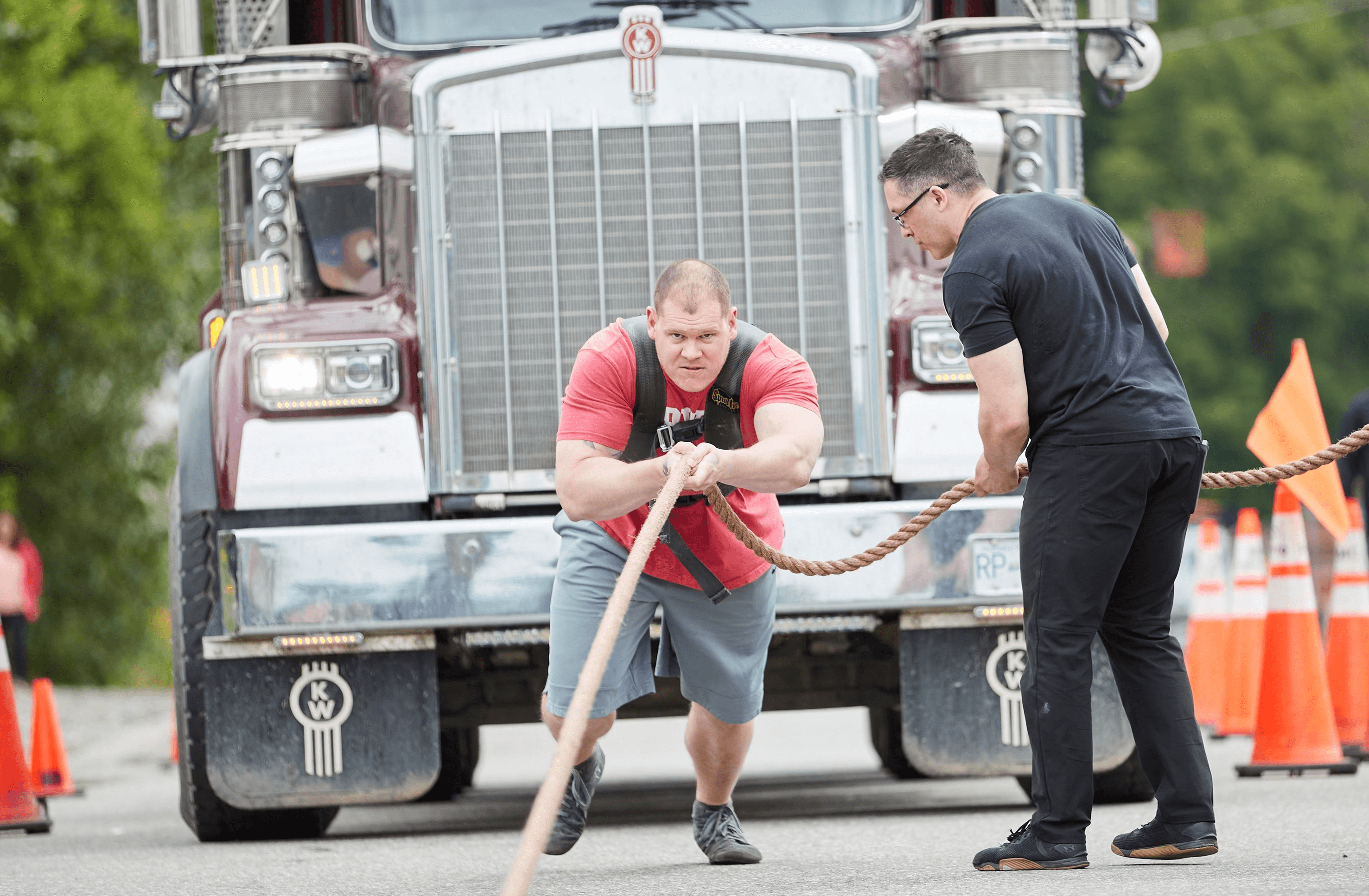
For specialized athletes, such as powerlifters, additional accessory day(s) or sessions may be included. This could be as many as 6 days a week, and multiple sessions a day, depending on the level of the athlete. Conversely, athletes engaged in other high-demand activities, such as CrossFit, mixed martial arts, or other competitive sports, may choose to do as few as 2-3 focused strength sessions each week depending on the time they have available for strength specific work.
For these athletes:
- Prioritize areas of greatest need (e.g., strength deficits, injury prevention, or current development goals).
- Balance intensities and volume with their existing training demands to avoid overload.
- Optimize programming to enhance their sport performance rather than detract from it. This includes the timing of the session; most often, we finish the training day (for sport athletes) with a strength session.
Utilizing Mesocycles
Mesocycles are short, structured cycles designed to create consistency and progression in our primary, accessory, finisher, and midline exercises. Similar to the pendulum wave cycle used in dynamic effort training, mesocycles allow for incremental improvements. The first example develops consistency across hinging variations, while the second builds load capacity with a standard movement pattern.
Example Mesocycle for Good Mornings
- Week 1: Wide-Stance Good Mornings: 5-5-5-5.
- Week 2: Frog-Stance Good Mornings: 5-5-5-5.
- Week 3: Standard Good Mornings: 5-5-5-5.
Alternative Loading Progression
- Week 1: Good Mornings: 5-5-5-5, building in weight.
- Week 2: Good Mornings: 5-5-5-5, starting and ending heavier than the previous week.
- Week 3: Good Mornings: 5x4, heaviest weight you can maintain for all 5 sets of 4 reps.
Three-Week Programming Example
Week 1
Sunday — Repetition Effort: Upper
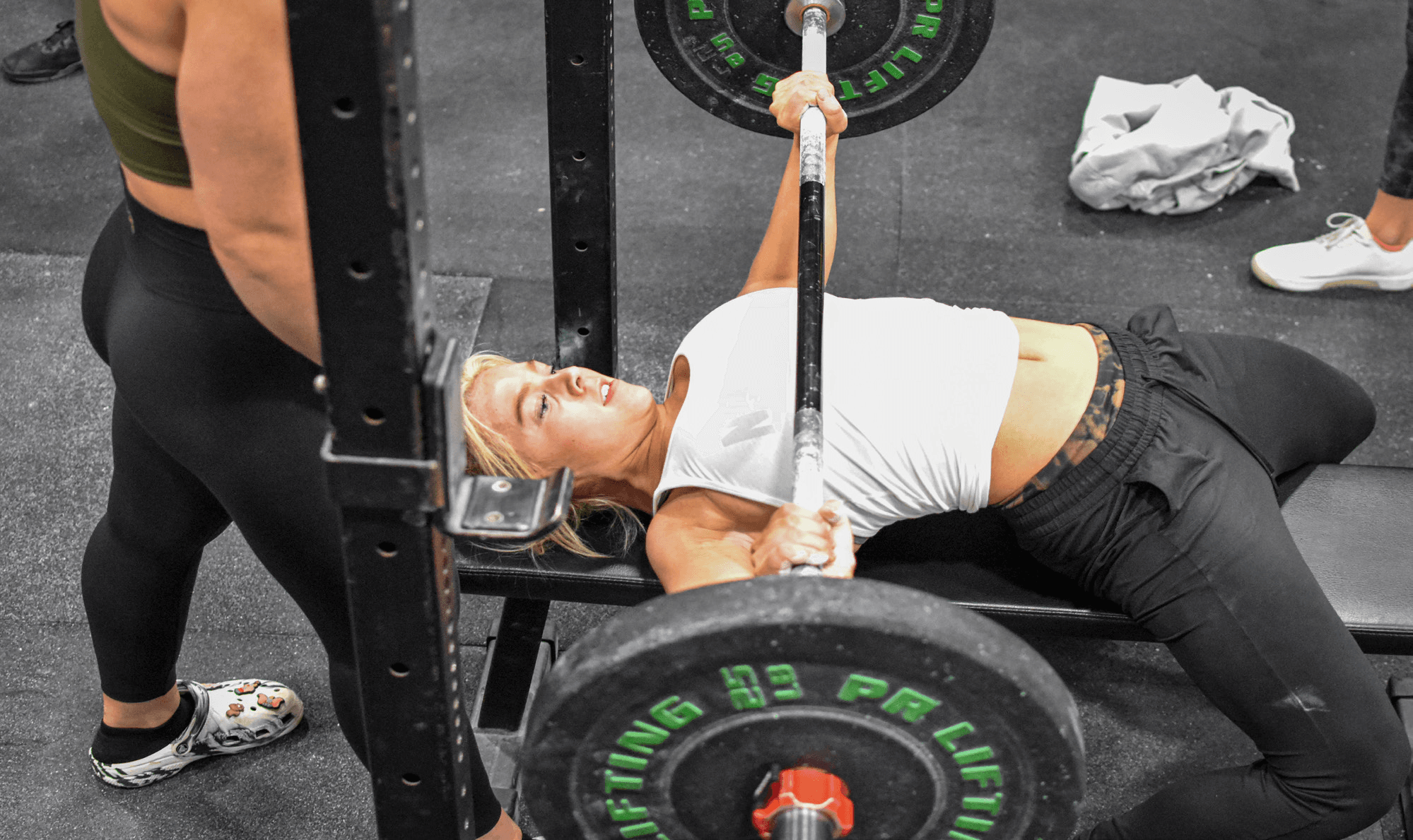
- Bench press: 8x8 OT2min. Must hit all 64 reps.
- Strict weighted pull-ups: 8-8-8-8, or bent row: 8-8-8-8, pulled from below the knees.
- DB shoulder press: 10-10-10-10.
- Bent rear delt. fly: 8-8-8-8.
- Medball twists: 100.
Monday — Max Effort: Lower
- Box squat: 1RM + 25% bands.
- Good mornings: 5-5-5-5.
- 4 x 8/8 Reverse Lunges.
- 3 x 10/10 Single-leg Deadlifts (BB).
- 150 Face-down Banded Hamstring Curls.
- 4 x 8 Weighted Sit-up (BB).
Tuesday — Conditioning/Active recovery
- C2 Bike: 5min., light and easy.
- 3 position Slack Block: 1min./s in each position. Positions: inline - 30° - 90°.
- Single-leg Box Jumps: 25 x 1, OT12sec., step down.
- C2 Bike: 2 minutes, then 3 x 10 sec max effort OTM.
- AMCAP (as many calories as poss.) in 20 minutes C2 Bike.
- Manual foot mobility: 45sec./s; low body roll (PVC): calves, 1" at a time toe pointing in to toe out; 10 up-down on each side of the upper leg; glute smash (LAX): 90sec./s; stretch hip flexors: 1-2min./s; couch stretch: 90sec./s, contract glute; VooDoo elbows: 1 or 2 rounds of 1min./s; or lower body self care: +/-15min.
Wednesday — Max Effort: Upper
- 1RM Bench Press.
- 4 x 8 Chest Supported Row.
- 4 x 10 JM Press.
- 3 x 15ea Meadows Row.
- 150 Banded Pull Aparts.
- 4 rounds of 25 bottom 1/2 straight leg sit-ups and 15 hanging leg raise.
Thursday — Conditioning/Active recovery
- Row: 5min., light and easy.
- 3 position Slack Block: 1min./s in each position. Positions: inline - 30° - 90°.
- Standing Box Jumps: 25 x 1, OT12sec., step down.
- Row: 2min. then 2x10sec. OTmin.; Bike: 1min. then 1x10sec. OTmin.; Ski: 1min.
- EMOM for 15min.: 45sec. row on minute 1, 45sec. bike on minute 2, 45sec. ski on minute 3.
- Roll T-spine (mush gemini); stretch traps (band): 1min./s; lat stretch (band): 1min./s; roll biceps and forearms (barbell): 1min./s; Reverse Hyper low back mobility: 2 sets; or upper body self care: +/-15min.
Friday — Dynamic Effort: Lower
- Box Squat: 12x2 + 25% bands OT40sec., velocity: 0.9m/s.
- Sumo Deadlift (+bands): 12 x 2, .9 m/s, OT45sec.
- 4 x 10 Glute Ham Raises.
- 3 x 20 Dimel Deadlifts.
- 3 minutes banded marching.
- 3 x 30sec Copenhagen planks, 1 minute plank plate slides.
Week 2
Sunday — Repetition Effort: Upper
- Bench Press: 8x8 OT2min. Must hit all 64 reps.
- Strict weighted neutral grip pull-ups: 8-8-8-8, or bent row: 8-8-8-8, pulled from below the knees.
- DB shoulder press: 10-10-10-10.
- Bent rear delt. fly: 8-8-8-8.
- Medball twists: 120.
Monday — Max Effort: Lower
- Box squat: 1RM.
- Good mornings: 5-5-5-5, compare to last Monday.
- 4 x 6/6 Reverse Lunges.
- 3 x 10/10 Single-leg Deadlifts (BB).
- 150 Seated Banded Hamstring Curls.
- 4 x 6 Weighted Sit-up (BB).
Tuesday — Conditioning/Active recovery
- C2 Bike: 5min., light and easy.
- 3 position Slack Block: 1min./s in each position. Positions: inline - 30° - 90°.
- Seated Box Jumps: 25 x 1, OT12sec., step down.
- C2 Bike: 2 minutes, then 3 x 10 sec max effort OTM.
- AMCAP (as many calories as poss.) in 20 minutes C2 Bike.
- Manual foot mobility: 45sec./s; low body roll (PVC): calves, 1" at a time toe pointing in to toe out; 10 up-down on each side of the upper leg; glute smash (LAX): 90sec./s; stretch hip flexors: 1-2min./s; couch stretch: 90sec./s, contract glute; VooDoo elbows: 1 or 2 rounds of 1min./s; or lower body self care: +/-15min.
Wednesday — Max Effort: Upper
- 1RM Bench Press (+bands).
- 4 x 6 Chest Supported Row.
- 4 x 10 JM Press.
- 3 x 18ea Meadows Row.
- 150 Banded Pull Aparts (around post).
- 4 rounds of 25 Panora sit-ups and 25 bottom 1/2 straight leg sit-ups.
Thursday — Conditioning/Active recovery
- Row: 5min., light and easy.
- 3 position Slack Block: 1min./s in each position. Positions: inline - 30° - 90°.
- Single-leg Box Jumps (vest): 25 x 1, OT12sec., step down.
- Row: 2min. then 2x10sec. OTmin.; Bike: 1min. then 1x10sec. OTmin.; Ski: 1min.
- EMOM for 15min.: 45sec. row on minute 1, 45sec. bike on minute 2, 45sec. ski on minute 3.
- Roll T-spine (mush gemini); stretch traps (band): 1min./s; lat stretch (band): 1min./s; roll biceps and forearms (barbell): 1min./s; Reverse Hyper low back mobility: 2 sets; or upper body self care: +/-15min.
Friday — Dynamic Effort: Lower
- Box Squat: 12x2 + 25% bands OT40sec., velocity: 0.8m/s.
- Sumo Deadlift (+bands): 12 x 2, .8 m/s, OT45sec.
- 4 x 10 Glute Ham Raises.
- 3 x 20 Dimel Deadlifts.
- 3 minutes banded marching, every 30 sec perform 30 sec KB Deadlifts.
- 3 x 30sec Copenhagen planks, 1 minute plank plate slides.
Week 3
Sunday — Repetition Effort: Upper
- Bench Press: 8x6 OT2min. Must hit all 64 reps.
- Strict weighted chin-ups: 8-8-8-8, or bent row: 6-6-6-6, pulled from below the knees.
- DB shoulder press: 8-8-8-8.
Monday — Max Effort: Lower
- Back squat: 1RM.
- Wide stance good mornings: 5-5-5-5.
- 4 x 5/5 Reverse Lunges.
- 3 x 10/10 Single-leg Deadlifts (BB).
- 100ea Seated Single-leg Banded Hamstring Curl.
- 5 x 5 Weighted Sit-up (BB).
Tuesday — Conditioning/Active recovery
- C2 Bike: 5min., light and easy.
- 3 position Slack Block: 1min./s in each position. Positions: inline - 30° - 90°.
- Standing Box Jumps (vest): 25 x 1, OT12sec., step down.
- C2 Bike: 2 minutes, then 3 x 10 sec max effort OTM.
- AMCAP (as many calories as poss.) in 20 minutes C2 Bike.
- Manual foot mobility: 45sec./s; low body roll (PVC): calves, 1" at a time toe pointing in to toe out; 10 up-down on each side of the upper leg; glute smash (LAX): 90sec./s; stretch hip flexors: 1-2min./s; couch stretch: 90sec./s, contract glute; VooDoo elbows: 1 or 2 rounds of 1min./s; or lower body self care: +/-15min.
Wednesday — Max Effort: Upper
- 1RM Multi-grip Bench Press.
- 4 x 5 Chest Supported Row.
- 4 x 10 JM Press.
- 3 x 20ea Meadows Row.
- 150 Banded Pull Aparts (bent-over).
- 100 Bottom-half Situps, 50ea DB Oblique Crunches.
Thursday — Conditioning/Active recovery
- Row: 5min., light and easy.
- 3 position Slack Block: 1min./s in each position. Positions: inline - 30° - 90°.
- Seated Box Jumps (vest): 25 x 1, OT12sec., step down.
- Row: 2min. then 2x10sec. OTmin.; Bike: 1min. then 1x10sec. OTmin.; Ski: 1min.
- EMOM for 15min.: 45sec. row on minute 1, 45sec. bike on minute 2, 45sec. ski on minute 3.
- Roll T-spine (mush gemini); stretch traps (band): 1min./s; lat stretch (band): 1min./s; roll biceps and forearms (barbell): 1min./s; Reverse Hyper low back mobility: 2 sets; or upper body self care: +/-15min.
Friday — Dynamic Effort: Lower
- Box Squat: 10x2 + 25% bands OT40sec., velocity: 0.7m/s.
- Sumo Deadlift (+bands): 12 x 2, .7 m/s, OT45sec.
- 4 x 10 Glute Ham Raises.
- 3 x 20 Dimel Deadlifts.
- 3 minutes banded marching, every 30 sec perform 30 sec DB Hang Power Cleans.
- 3 x 30sec Copenhagen planks, 1 minute plank plate slides.
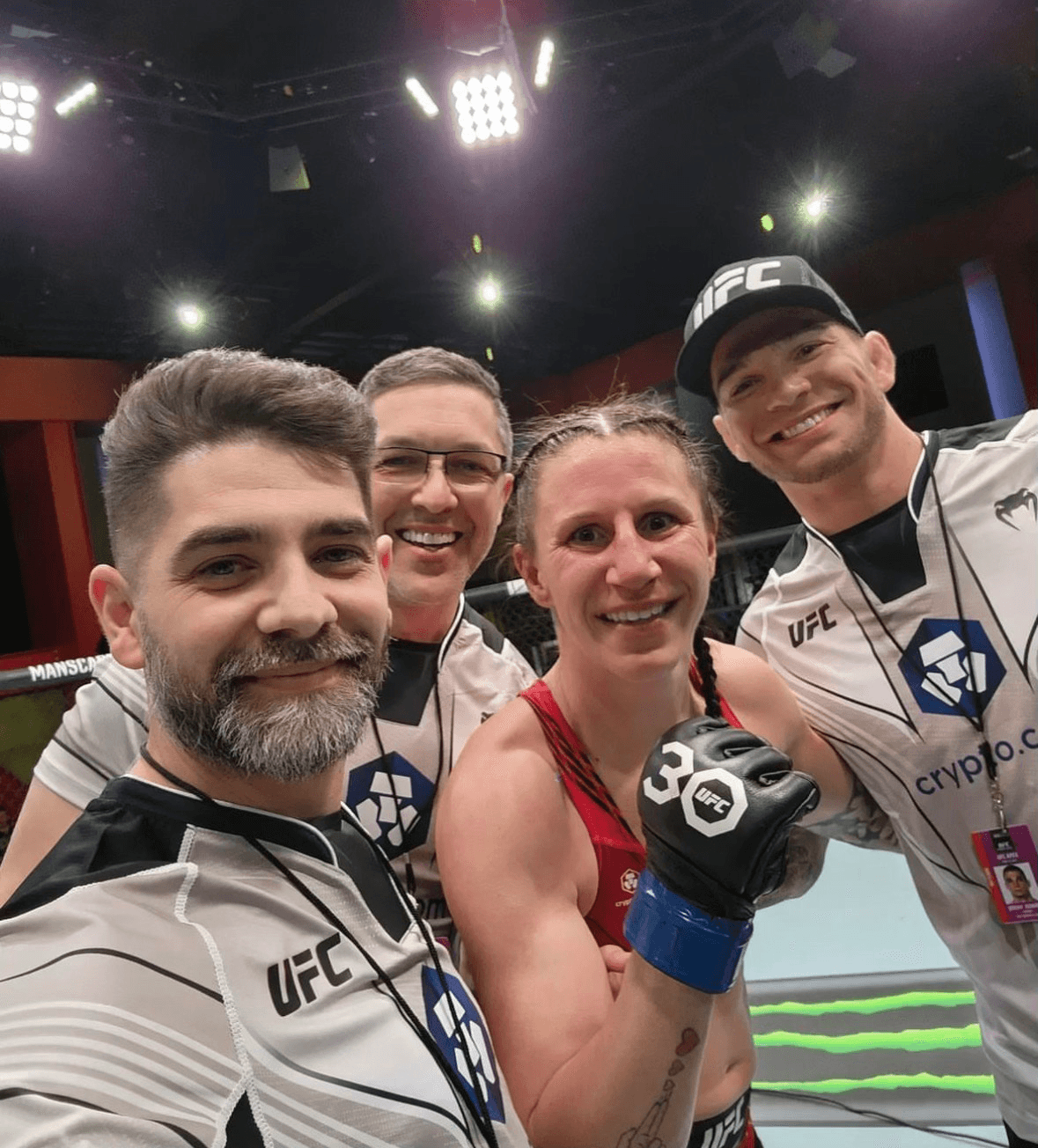
Athletes succeed on strong teams.