Chapter · source pages 9
Introduction to the Conjugate System
The source introduction names the Max Effort Method, Dynamic Effort Method, Repetition Method, and accommodating resistance as the manual's starting frame.
Introduction to the Conjugate System
The conjugate system consists of three primary methods: the Max Effort Method, the Dynamic Effort Method, and the Repetition Method. Strength is expressed in various forms, including explosive strength, strength endurance, speed-strength, strength-speed, absolute strength, and isometric strength. Each type elicits specific adaptations, but they also overlap. As trainers and athletes, our goal is to develop as many of these strength types as possible through these three methods or specialize for the individual needs of our athletes.
Bands and chains can be utilized across all three methods. The training schedule is structured into four days: Max Effort Lower, Max Effort Upper, Dynamic Effort Lower, and Dynamic Effort Upper. In some cases the Repetition Method is used as a primary instead of Dynamic effort (eg. Bench Press: 8x8 OT2:15min).
Traditional Strength Training vs. Accommodating Resistance
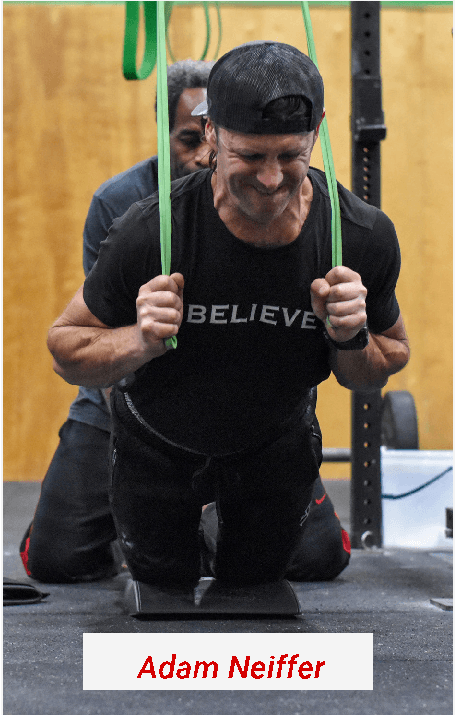
Traditional strength training primarily involves constant resistance, using equipment like barbells and dumbbells where the weight remains the same throughout the range of motion. In contrast, bands and chains provide accommodating resistance, which means as the joint angles improve near the top of the movement, the load will be increasing. The result is the athlete’s highest tensions are at the lockouts and lowest tensions are in the bottom positions. Incorporating bands and chains is crucial in the conjugate training system and should be paired with constant resistance to maximize results.
The conjugate system, initially developed by the Dynamo Club and popularized by Louie Simmons at Westside Barbell, has revolutionized strength training. Simmons refined the conjugate system over decades of experimentation with elite athletes, leading Westside Barbell to break more powerlifting world records than any other gym on the planet. One of Simmons’ key adaptations was the integration of bands and chains into training. Bands exhibit elastic properties similar to muscle tissue, making them invaluable tools for athletes.
However, a common pitfall for trainers and athletes is the misunderstanding of how to effectively set up and use these forms of accommodating resistance. This manual serves as a comprehensive reference for anyone looking to incorporate accommodating resistance into their training regimen.